Blue Planet III is keeping the rough edges in the age of AI
BBC's Blue Planet III is leaving imperfect footage and floating plankton in its final broadcast to prove ocean wildlife scenes are real amid seamless AI media.
By Dillip Chowdary • Oct 25, 2026 • Source: The Verge
BBC has revised its editorial standards for Blue Planet III by intentionally retaining unpolished ocean footage that previous productions discarded. As detailed in The Verge's report, the documentary series preserves camera flaws, suspended ocean debris, and background maritime objects to certify authentic human fieldwork against artificial intelligence imagery.
This analysis details the operational shifts within the landmark documentary series, examining how production crews navigate camera framing, natural environmental grit, and visual verification. It is intended for television viewers, media technicians, and documentary filmmakers tracking how nature broadcasting counters synthetic video generation.
Blue Planet III is keeping the rough edges: what actually changed
The primary operational change involves preserving footage that previously landed on the cutting room floor during post-production review. Executive Producer Elizabeth White stated that earlier seasons routinely discarded takes featuring heavy floating plankton because water conditions appeared insufficiently pristine. In prior filming cycles, organic drift and poor visibility triggered immediate editorial rejections to maintain an idealized aesthetic. The production team now retains those imperfect shots, presenting an organic record of the ocean rather than discarding sequences due to unfavorable natural water conditions.
Beyond biological debris, documentary directors abandoned the habit of framing out human objects that appear on the water surface. Historically, camera crews and cinematographers framed out passing boats or floating buoys to preserve the impression of untouched wilderness. Blue Planet III now keeps those objects inside the visible frame when they enter camera views during animal encounters. Instead of re-shooting or cutting scenes when conditions look imperfect, the editing team treats surface boats, buoys, and variable clarity as honest, tangible representations of field environments.
Blue Planet III is keeping the rough edges: how it works
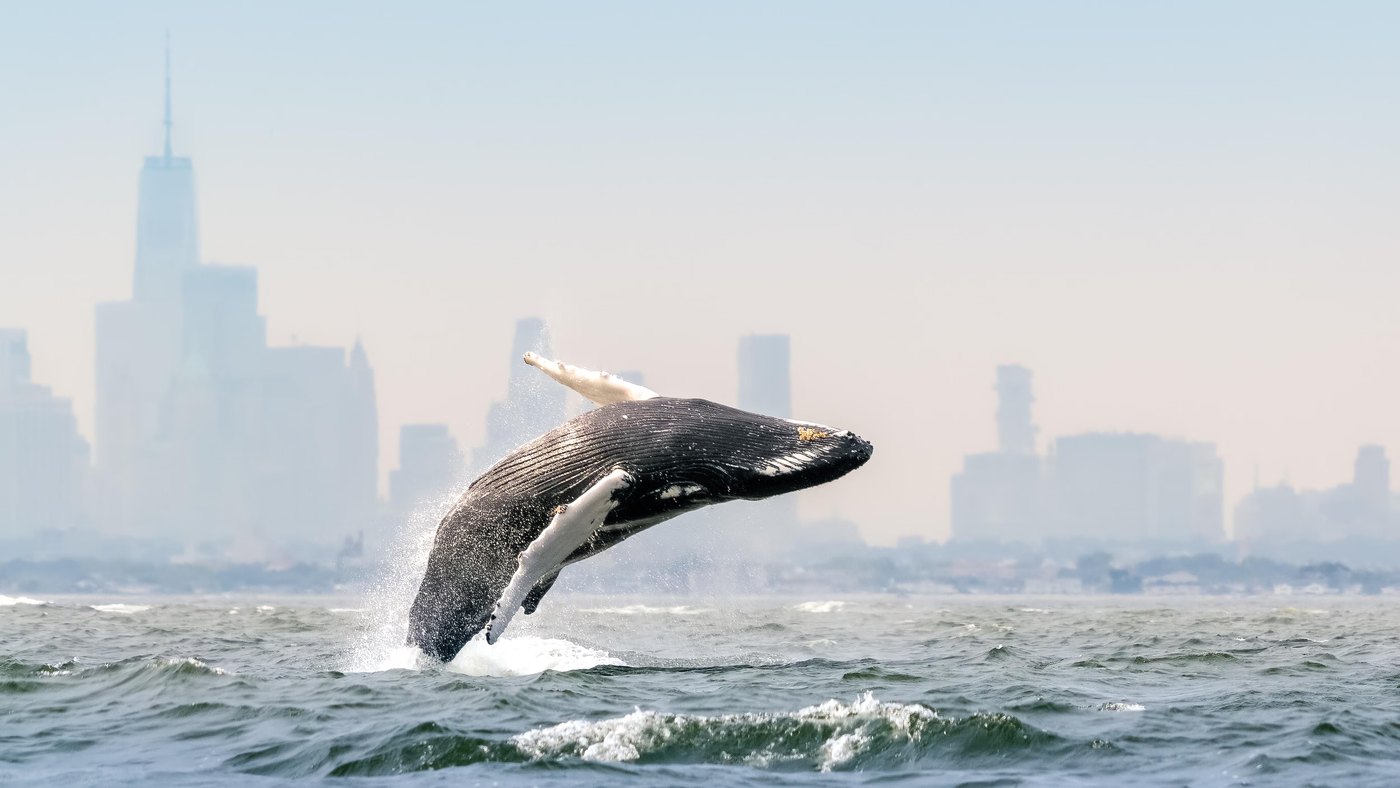
The filming methodology documents complex animal behaviors under natural sea conditions without relying on post-production digital touch-ups. Field crews film wildlife events as they unfold, accepting ambient water turbidity around the subjects. One highlighted sequence records wild dolphins utilizing gathered sea sponges to plug seabed holes, trapping fish attempting to escape. Recording this tool-assisted foraging requires continuous observation where light and water clarity cannot be manipulated, meaning visible drifting plankton and seabed debris remain an authentic part of the final broadcast picture.
Technical capture also highlights large-scale wildlife coordination without concealing natural environmental disruptions. The production documents inter-species communication among fish alongside an aggregation of 200,000 crabs gathering in formation to feed. Filming two hundred thousand crabs marching across the sea bottom stirs up sediment clouds that traditional natural history broadcasts might have trimmed or avoided. Editorial staff deliberately preserve those sediment clouds and fluctuating light levels, demonstrating that marine footage reflects raw animal activity rather than sanitized visual effects assembled in editing software.
Advertisement
Tech Pulse Daily
Get tomorrow's pulse first
Join engineers who read Tech Pulse before stand-up. Free, weekday mornings.
Blue Planet III is keeping the rough edges: why it matters now
This production pivot responds directly to the emergence of synthetic media and artificial intelligence video generators. Modern computational video tools typically produce images defined by pristine surfaces, seamless movement, and unblemished visual clarity. Because artificial generation defaults to frictionless polish, excessively smooth nature sequences now increasingly resemble computer output. Documentary creators and network producers recognized that crystal-clear marine footage, once celebrated as the pinnacle of technical cinematography, risks being mistaken for synthetic renders unless visible real-world imperfections remain visibly present in the broadcast.
Retaining environmental imperfections provides tangible visual proof that authenticates real-world field cinematography. Executive Producer White emphasized that living marine species remain far more remarkable than artificial intelligence could imagine. Showing unedited water conditions, floating plankton, and background surface buoys proves that camera operators spent actual field time navigating physical ocean environments. These rough visual elements verify to viewers that complex wildlife events, including inter-species fish communication and tool-using dolphins, represent genuine biological encounters rather than synthetic fabrications designed by generative software algorithms.
Blue Planet III is keeping the rough edges: who is affected
Documentary viewers represent the primary group affected by this revised broadcasting standard. Audiences conditioned by decades of pristine natural history programming will encounter a more realistic presentation of marine ecology. Instead of observing spotless azure waters devoid of natural particles, viewers will watch real-world oceanic turbidity, variable lighting, and drifting biological material. This stylistic shift recalibrates audience expectations regarding wild ecosystems, replacing idealized underwater vistas with genuine ocean environments that contain natural suspended matter, weather-driven disturbances, and incidental human maritime artifacts.
Production crews and video editors also face immediate procedural changes under the relaxed aesthetic rules. Field cinematographers no longer face pressure to discard shots or halt filming when surface buoys or boat hulls drift into view. Similarly, editing teams do not need to cut away from biologically compelling sequences simply because water clarity dips or plankton clouds obscure peripheral framing. This operational adjustment allows post-production units to prioritize rare animal behaviors over sterile visual polish, preserving critical footage of complex wildlife activities that past production protocols routinely removed.
Blue Planet III is keeping the rough edges: what to watch
Broadcast distribution across international networks will show how viewers respond to the series' unpolished aesthetic. Media analysts will track whether competing natural history documentary units adopt similar production choices to signal physical authenticity in their programming. Audience engagement metrics will reveal whether viewers embrace realistic water conditions and visible surface objects during marquee sequences, such as 200,000 feeding crabs or tool-wielding dolphins. The documentary's commercial reception will demonstrate whether authenticity outranks pristine visual polish as synthetic video tools become more prevalent across consumer media.
The long-term development of nature cinematography standards warrants close observation as artificial intelligence tools advance. Production teams will need to evaluate whether keeping raw imperfections remains sufficient proof of authenticity or if formalized capture verification becomes necessary. Broadcasters will observe whether audience skepticism forces documentary producers to adopt verified camera logs or behind-the-scenes confirmation for difficult marine captures. The reception of Blue Planet III will help establish whether organic flaws and imperfect framing remain the primary visual distinction separating human documentary craftsmanship from generative digital media.
Developer Action Items
- ☐ Verify the claim on the official Blue Planet III keeping page (or The Verge), not from this recap alone.
- ☐ Name the surface that moved — API, policy, model, hardware, or commercial terms — before you Slack the thread.
- ☐ Assign one owner a day to read the primary material and decide: this-sprint, this-quarter, or noise.
- ☐ Do not change production on day-one coverage. Watch the vendor changelog and one independent write-up first.
Blue Planet III is keeping the rough edges FAQ
Why is BBC Blue Planet III leaving imperfect shots in the series?
The production team is keeping rough, unpolished shots to prove the documentary is authentic and real. Flawless, hyper-polished visuals are now a dead giveaway of artificial intelligence, so the series retains environmental imperfections to distinguish its footage from synthetic media.
What specific visual flaws did previous Blue Planet seasons remove?
Earlier seasons routinely cut footage containing heavy floating plankton or sub-optimal water conditions. Camera operators also framed out human elements like boats and buoys, which are now intentionally left in the final frame.
What notable marine wildlife behaviors are captured in Blue Planet III?
The documentary features wild dolphins using sea sponges to plug seabed holes and catch fish, documented cases of inter-species fish communication, and an aggregation of 200,000 crabs lining up in formation to feed.
What did Executive Producer Elizabeth White say about ocean animals compared to AI?
Elizabeth White told The Guardian that real ocean creatures are probably more remarkable than artificial intelligence could imagine.
Sources

Author
Dillip Chowdary
Writes Tech Bytes coverage of AI, engineering, and the tools that actually ship. Editor of Tech Pulse Daily.
Related on Tech Bytes
Advertisement