Data centers are now a midterm issue, even in Brooklyn
Voters and state officials pushed back against rapid AI infrastructure as nearly $200 billion in data center projects stalled across five states in 2026.
By Dillip Chowdary • Nov 01, 2026 • Source: TechCrunch
Political organizers and voters across the United States have turned commercial computing infrastructure into a major midterm election battleground. As documented in TechCrunch's report, public opposition to artificial intelligence facilities has entered political forums ahead of the November 3 races, driven by research showing nearly $200 billion in data center projects stalled nationwide during the first half of 2026.
This article details how computing developments became an unexpected ballot issue across urban and rural communities, explaining disputes between technology firms, elected officials, and host neighborhoods. It provides essential analysis for municipal policymakers, energy analysts, and civic organizers monitoring how zoning controversies, labor negotiations, and state regulatory proposals in five key states affect the deployment of artificial intelligence hardware.
Data centers are now a midterm issue, even: what actually changed
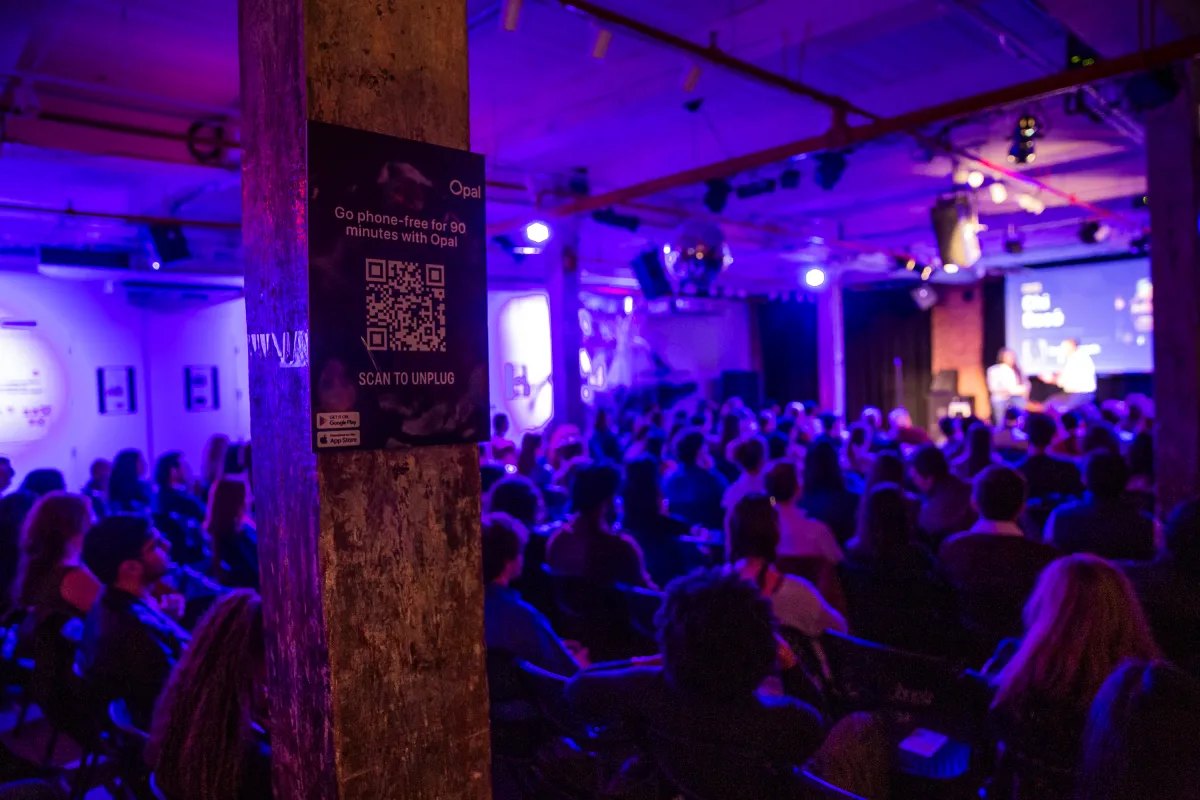
A report from Data Center Watch revealed that nearly $200 billion in data center projects were delayed, stalled, or blocked in the first half of 2026 due to political and community resistance. At a midterm election gathering organized by media firm Newsreel in a Brooklyn warehouse five days before Election Day, founder Jack Brewster, formerly of Forbes and Newsweek, wanted attendees to talk politics. Instead, discussions kept circling back to artificial intelligence facilities and public resentment toward technology companies, showing how local voter skepticism has spread.
The Newsreel event featured a fireside chat with Opal co-founder Kenneth Schlenker on the state of attention and a midterm forecast by Barza campaign software creator Aryan Banjan. When a panel moderator polled the room on who supported artificial intelligence data centers, attendees promptly booed. Brewster confirmed that computing facilities arose in every stage session and stood as the second most frequent topic submitted by attendees on their registration forms, indicating that infrastructure disputes could influence outcomes in key November 3 midterm races.
Data centers are now a midterm issue, even: how it works
Civic backlash stems directly from non-transparent administrative procedures governing computing sites. Major technology companies frequently negotiate private agreements with local officials to construct billion-dollar data centers before disclosing plans to taxpayers. Furthermore, vague zoning ordinances often permit developers to conceal project details under general industrial categories until construction permits are finalized. On a panel featuring technology researcher Maia Woluchem and environmental advocate Hilary Flint, participants explained that these quiet negotiations exclude the public, leaving neighborhood residents feeling that they have lost control over environmental standards and local community development.
Economic friction deepens as residents face cost of living pressures while corporate leaders discuss automating human labor. Although data centers create initial employment during construction, records indicate those positions disappear once facilities open, leaving minimal permanent jobs for host communities. Residents also bear environmental risks and utility cost increases. Grassroots activism has mobilized to resist these projects, including in a Southern California Chinese immigrant community where neighbors posted yard signs showing dragons choking a data center, an effort that was subsequently translated into other languages to unify opposition.
Advertisement
Tech Pulse Daily
Get tomorrow's pulse first
Join engineers who read Tech Pulse before stand-up. Free, weekday mornings.
Data centers are now a midterm issue, even: why it matters now
Legislators across several key states are treating data center growth as an immediate policy crisis. Lawmakers in Pennsylvania, Georgia, Texas, New York, and Virginia are currently deliberating transparency rules and administrative guardrails to manage facility expansion. In Virginia, widely recognized as the data center capital of the world, hundreds of new facilities remain planned despite growing constituent opposition. Because these massive installations consume substantial grid power and municipal water, candidates participating in the November 3 midterm races face mounting voter pressure to regulate utility consumption and eliminate confidential developer incentives.
The political debate is amplified by an expanding cultural rift between the technology sector and everyday voters. While industry executives celebrate corporate events like the Anthropic public offering and commercial software like Instinct, ordinary citizens question corporate influence, as evidenced by event wall notes asking when big money will leave politics. In consumer culture, non-technical observers noted that synthetic imagery is increasingly seen as cheap, leading luxury brands such as Prada to commission hand-drawn holiday illustrations and Hermès to highlight handmade work on Instagram instead of automated outputs.
Data centers are now a midterm issue, even: who is affected
Labor unions and political strategists hold conflicting perspectives regarding data center construction. Speaking on a panel about party strategy, NewsNation host Batya Ungar-Sargon observed that some unions support facility development for construction employment, comparing them to historical Rust Belt factories that represented prosperity and stability. Political strategist Morris Katz, who worked on Zohran Mamdani's campaign, argued that the same corporate powers that dismantled union jobs are returning to take remaining profits. Vox reporter Astead Herndon noted that Vivek Ramaswamy was booed in Ohio for defending data centers, revealing voter resistance across party affiliations.
Local communities and elected representatives are directly affected by neighborhood infrastructure sitings. In a fireside talk, New York City Council member Chi Ossé, who identified as a law-and-order democratic socialist, stated that tech executives must face accountability, advocating for higher taxation on trillionaires like Elon Musk and congressional testimony from corporate leaders who discuss technology depleting civilization. Environmental advocate Hilary Flint rejected financial payoffs, asking what a life is worth and asserting that residents protest because they value their lives far more than temporary construction checks from commercial developers.
Data centers are now a midterm issue, even: what to watch
Following the November 3 midterm elections, observers should watch state legislatures in Virginia, Pennsylvania, Georgia, Texas, and New York for concrete regulatory action. With nearly $200 billion in data center projects already stalled during 2026, legislative committees will face pressure to mandate public hearings, energy reviews, and water consumption disclosures before issuing industrial building permits. Municipal councils will also encounter demands to eliminate non-disclosure agreements and tax incentives, making developer negotiations subject to open scrutiny as newly elected officials seek to satisfy anti-infrastructure voter coalitions.
The geographic evolution of public resistance will also determine how technology firms deploy capital. As Newsreel founder Jack Brewster noted, rural communities oppose facilities out of fear of economic displacement, whereas urban voters in districts like Brooklyn focus on financial inequality and wealth accumulated by leaders like Sam Altman. If multi-lingual grassroots campaigns continue coordinating across regions, developers will face protracted legal battles and municipal roadblocks, requiring technology companies to alter project designs or confront expanding electoral resistance heading into 2027.
Developer Action Items
- ☐ Verify the claim on the official Data centers midterm issue page (or TechCrunch), not from this recap alone.
- ☐ Name the surface that moved — API, policy, model, hardware, or commercial terms — before you Slack the thread.
- ☐ Assign one owner a day to read the primary material and decide: this-sprint, this-quarter, or noise.
- ☐ Do not change production on day-one coverage. Watch the vendor changelog and one independent write-up first.
- ☐ Quote $200 billion only if it appears in the primary source; otherwise leave the hole visible.
Data centers are now a midterm issue, even FAQ
How much data center investment was delayed or blocked in 2026?
Data Center Watch reported that nearly $200 billion in data center projects were delayed, stalled, or blocked nationwide in the first half of 2026 due to community and political opposition.
Which states are considering guardrails on data center development?
State lawmakers in Pennsylvania, Georgia, Texas, New York, and Virginia are evaluating legislative guardrails and transparency measures to regulate data center expansion.
What environmental and economic concerns do local residents raise?
Residents cite opaque zoning deals, grid strain, utility cost risks, and the fact that facilities create temporary construction jobs rather than permanent local employment.
How did political figures address data center concerns during the midterms?
New York City Council member Chi Ossé called for congressional hearings and higher taxes on tech executives, while Vivek Ramaswamy faced boos in Ohio for defending facilities.
Sources

Author
Dillip Chowdary
Writes Tech Bytes coverage of AI, engineering, and the tools that actually ship. Editor of Tech Pulse Daily.
Related on Tech Bytes
Advertisement