DHS Has Used This Controversial Investigative Tool 185,000 Times Since
Homeland Security Investigations has issued over 185,000 warrantless administrative subpoenas since January 2025, surpassing its previous six-year total.
By Dillip Chowdary • Nov 09, 2026 • Source: Wired
Homeland Security Investigations, the criminal investigative branch of Immigration and Customs Enforcement, estimates issuing at least 185,000 administrative subpoenas since January 2025. The volume reveals extensive reliance on warrantless surveillance, as outlined in Wired's report. By comparison, agency personnel sent roughly 170,000 customs summonses during the six and a half years between 2016 and mid-August 2022.
This report examines how federal agents repurposed a century-old customs statute into an unchecked domestic investigative tool targeting internet platforms, commercial databases, and protesters. It is written for platform operators, legal counsel, and privacy analysts evaluating government surveillance demands, third-party disclosure obligations, and statutory limits on executive record requests.
01What actually changed
The subpoena count surfaced during an ongoing Freedom of Information Act lawsuit filed against the Department of Homeland Security by the Electronic Frontier Foundation. Aaron Mackey, deputy legal director at the nonprofit, stated that the organization originally requested records regarding administrative demands served on technology companies, internet platforms, and service providers since January 20, 2025. Although federal court filings confirmed the 185,000 estimate, officials have not clarified whether this total reflects only demands issued to technology platforms or covers a broader investigative portfolio.
This operational shift represents a dramatic increase compared to historical enforcement records documented across previous administrations. Over more than six and a half years between early 2016 and mid-August 2022, agents issued approximately 170,000 customs summonses in total.
The current numbers indicate that recent investigations exceeded that multi-year benchmark in less than two years. When asked about this steep escalation in administrative subpoenas, Immigration and Customs Enforcement officials declined to provide explanations for the agency's expanding reliance on this unilateral authority.
02How it works
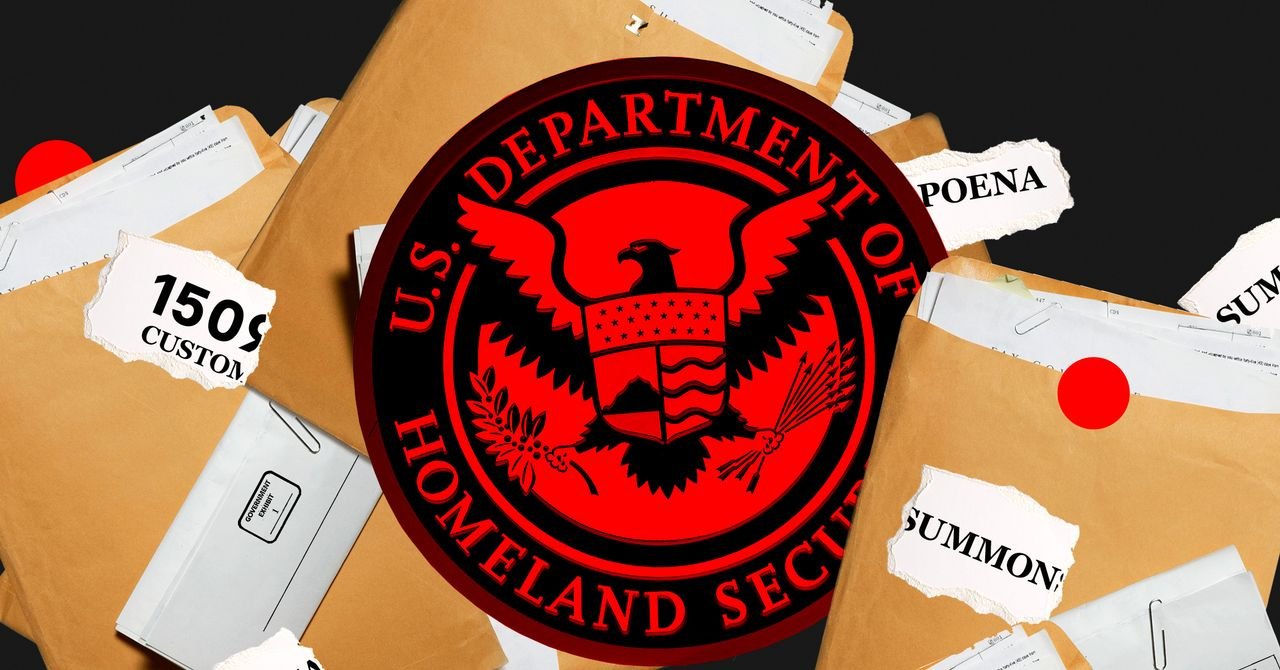
Administrative subpoenas operate outside traditional judicial oversight because they require no court order or grand jury approval. Under standard criminal procedures, federal investigators seeking private records must submit formal applications establishing legal necessity before an impartial judge.
With administrative subpoenas, agency officials generate and sign the demands internally without explaining to any court what specific data they seek or why. This process allows investigators to compel internet platforms and commercial businesses to surrender private customer records without independent magistrate review.
The authority traces back nearly a century to the 1509 customs summons granted by Congress to the former United States Customs Service. Lawmakers originally designed the tool so inspectors could examine business records to determine import duties.
In 2003, Congress passed the Homeland Security Act, transferring those legacy customs authorities to the Department of Homeland Security. The current administration argues in court that this transfer enables agents to deploy customs summonses across broad investigations that extend beyond traditional customs and immigration boundaries.
Advertisement
Tech Pulse Daily
Get tomorrow's pulse first
Join engineers who read Tech Pulse before stand-up. Free, weekday mornings.
03Why it matters
Because administrative subpoenas bypass judicial review, federal agencies face almost no institutional downside or friction when issuing them. Aaron Mackey of the Electronic Frontier Foundation pointed out that if a recipient service refuses to comply, the agency loses nothing. Investigators can simply petition a federal court to compel compliance, or they can withdraw the administrative demand and obtain the records through a grand jury subpoena instead, eliminating procedural risks for agents seeking corporate records without warrants.
Civil liberties advocates warn that unchecked administrative powers risk developing into widespread surveillance programs without constitutional safeguards. Senator Ron Wyden of Oregon characterized the documented numbers as a dragnet domestic surveillance program run by Homeland Security.
Mackey emphasized that granting law enforcement agencies powerful investigative tools without strict judicial limits creates serious risks of abuse. Without internal oversight or independent supervision, these administrative summonses threaten basic individual privacy rights and core First Amendment protections for speech.
04Who is affected
Major technology corporations and internet service providers represent frequent targets of these administrative demands as investigators seek account details and communication records. The Department of Homeland Security has actively challenged technology firms that resist these warrantless orders.
The agency recently brought court action against Google to force compliance with an administrative summons. In another case reported by The Intercept, federal agents withdrew an administrative subpoena served on Reddit and substituted a grand jury subpoena to obtain user information.
The scope of these administrative demands extends directly into commercial retail databases, political protesters, and online critics. Federal officials have deployed administrative summonses to identify anonymous online commenters who criticized leadership.
In one Minneapolis-St. Paul inquiry, investigators used administrative authority to demand customer purchase records from retailer REI, seeking names of everyone who bought a specific green beanie before a protest, illustrating how ordinary retail transactions and constitutional assemblies are swept into federal investigations.
05What to watch
The current expansive usage conflicts directly with earlier executive guidelines and internal agency disciplinary records. In 2017, the Department of Homeland Security inspector general admonished the Customs and Border Protection Office of Professional Responsibility after it used a customs summons attempting to unmask an anonymous Twitter user. The inspector general noted that agency procedural manuals explicitly restricted 1509 customs summonses to customs and immigration enforcement, a limitation that the administration now explicitly rejects in federal court arguments.
Congressional battles and oversight proceedings will determine whether statutory limits are placed on these administrative subpoena powers. Senator Wyden has proposed the Subpoena Abuse Prevention Act, bipartisan legislation designed to sharply curb federal administrative subpoenas and penalize officials who misuse surveillance authorities. Furthermore, Wyden announced plans to use the Senate Finance Committee gavel next year to lead a formal inquiry investigating Homeland Security Investigations and its unprecedented use of century-old customs authorities to target political opponents.
DHS Has Used This Controversial Investigative FAQ
How many administrative subpoenas has Homeland Security Investigations issued since 2025?
Homeland Security Investigations estimates it has issued at least 185,000 administrative subpoenas since January 2025. This exceeds the approximately 170,000 customs summonses issued during the entire six and a half years between 2016 and mid-2022.
What is a 1509 customs summons and how is it used?
A 1509 customs summons is an administrative subpoena granted by Congress to inspect business records regarding merchandise imports and tariff duties without prior court approval. The Department of Homeland Security now uses this authority for broad investigations beyond traditional customs enforcement.
How do administrative subpoenas differ from grand jury subpoenas or court orders?
Unlike grand jury subpoenas or court orders, administrative subpoenas do not require government investigators to demonstrate legal cause or explain their data requests to a judge before issuance. Agencies draft and issue them internally without independent judicial review.
What legislative action is proposed to limit DHS administrative subpoenas?
Senator Ron Wyden proposed the bipartisan Subpoena Abuse Prevention Act to curb federal administrative subpoenas and penalize officials who misuse surveillance authorities. Wyden also announced plans to use the Senate Finance Committee gavel to investigate HSI customs summons practices.
Sources

Author
Dillip Chowdary
Writes Tech Bytes coverage of AI, engineering, and the tools that actually ship. Editor of Tech Pulse Daily.
Related on Tech Bytes
Advertisement