Fiona the Hippo Died After Eating a Hat. But How Does a Hat Kill a Hippo?
Fiona the nine-year-old hippo died at the Cincinnati Zoo after swallowing an ingested knit hat that caused fatal intestinal blockage and toxic shock.
By Dillip Chowdary • Nov 20, 2026 • Source: Wired
At a glance
- Animal
- Fiona
- Species
- Common hippopotamus
- Age at death
- 9 years old
- Body weight
- Over 2,500 pounds
- Facility
- Cincinnati Zoo
- Incident date
- November 8
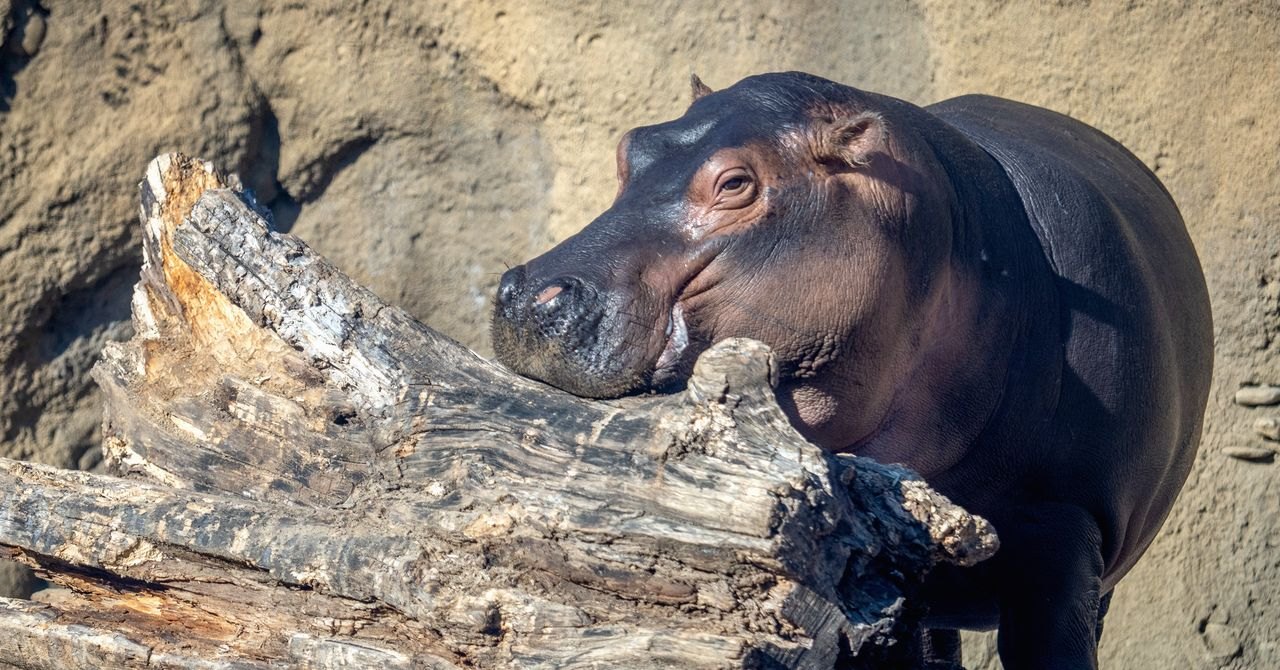
The Cincinnati Zoo announced that Fiona, its nine-year-old common hippopotamus weighing more than 2,500 pounds, died on Thursday from severe medical complications after swallowing an errant knit hat. The foreign object was accidentally tossed into the air by a child, struck a ceiling fan, and flew through a one-foot gap located directly above the twelve-foot viewing window, as detailed in Wired's report.
This retrospective examines the physiological breakdown that caused the animal to deteriorate within days, reviewing how foreign ingestions affect massive herbivores and why invasive surgical interventions remained impossible. It details clinical assessments from veterinary scientists for zoological caretakers, wildlife clinicians, and conservation observers monitoring large captive mammals.
01Ceiling fan deflection and enclosure entry
The foreign garment entered the habitat around Sunday, November 8, when a visitor tossed the item near the indoor viewing area. A spinning ceiling fan struck the apparel, redirecting it past the overhead barrier and dropping it directly into the water enclosure. Fiona ingested the article shortly thereafter without exhibiting immediate physical distress.
Zoo officials reported that the animal remained entirely asymptomatic during the opening days following ingestion. Her clinical state worsened noticeably once she lost her normal feeding appetite, prompting staff to initiate diagnostic observation. Clinical teams monitored the enclosure closely, as ingested materials in large ungulates typically exit through the digestive tract within five days.
Note: Formal confirmation of the precise obstruction location remains pending post-mortem anatomical examination by veterinary pathologists.
02Intestinal tract length and transit times
Clinical sciences faculty at North Carolina State University noted that hippopotamus digestive tracts routinely exceed one hundred feet in total length. The small intestine alone measures greater than seventy feet, creating an expansive passage vulnerable to physical blockages. In comparison, an adult human gastrointestinal system spans approximately twenty-five feet across the small and large intestines combined.
| Digestive section | Organ length | Liquid transit window | Solid transit window |
|---|---|---|---|
| Human total tract | ~25 feet | 2 to 4 hours | 24 to 72 hours |
| Hippo small intestine | >70 feet | 12 hours | 48 to 72 hours |
| Hippo full tract | >100 feet | 12 to 24 hours | 48 to 72 hours |
Liquids navigate a healthy hippopotamus tract in as little as twelve hours, whereas solid masticated vegetation requires between two and three days. An obstruction along this path operates like a stalled vehicle across a single-lane thoroughfare. When synthetic fabrics lodge within narrow intestinal passages, peristaltic motion halts and materials accumulate upstream rapidly.
Advertisement
Tech Pulse Daily
Get tomorrow's pulse first
Join engineers who read Tech Pulse before stand-up. Free, weekday mornings.
03Pressure accumulation and blood flow disruption
Entrapped garments generate severe localized swelling and abdominal pressure along the mucosal lining. This sustained radial tension restricts surrounding blood vessels, preventing cellular perfusion and precipitating rapid intestinal tissue necrosis. As the devitalized tissue turns green or black, wall structural integrity degrades, allowing bacterial endotoxins to enter the bloodstream and trigger systemic toxic shock.
Compounding this risk, contracting digestive walls can twist around anchored blockages when foreign fibers absorb heavy food particulates. Twisting cuts off mesenteric circulation entirely, speeding the onset of tissue rupture and multi-organ inflammatory failure. Cincinnati Zoo clinicians noted that preliminary ultrasound scans revealed bunching inside the intestinal loops, indicating that materials were attempting to navigate the small intestine.
Before reaching the lower tract, objects pass through three distinct gastric chambers containing varying concentrations of bacteria, protozoa, enzymes, and hydrochloric acid. While organic cotton might break down partially under acid exposure, non-degradable synthetic polyesters and plastics maintain structural rigidity. Unyielding articles cannot compress like hair ties, drastically compounding mechanical risks.
04Anesthesia constraints and surgical positioning hurdles
Surgical intervention to extract the foreign object was ruled out by a panel of zoo veterinarians, human medical specialists, and external clinicians. Hippopotamuses display volatile, poorly understood reactions to standard large-animal sedatives that are routinely administered to elephants and rhinos. Biology researchers from San Diego State University and the International Union for Conservation of Nature confirmed these pharmaceutical limitations.
General surgery requires total unconsciousness alongside mechanical ventilation calibrated to support a 2,500-pound respiratory system. While staff safely sedated the animal with light dosages for venipuncture and blood collection, major abdominal operations demand deeper, prolonged anesthetic maintenance. Under extended anesthesia, the animal's massive frame exerts crushing hydrostatic pressure against unmoving muscle beds, restricting oxygen perfusion.
Transporting and orienting the patient introduces severe physical hurdles requiring heavy industrial machinery. Veterinary teams would require hoists or forklifts to position the body on specialized pads or directly onto reinforced floors. Dehydration detected during early examinations further elevated operational risks, as poor vascular volume already impaired organ perfusion.
05Conservative therapeutic regimens and mechanical vibration
Eliminating invasive surgery left caretakers reliant on supportive medical protocols to facilitate natural excretion. Initial blood chemistry panels revealed no critical systemic warnings, prompting staff to administer rectal fluids, cleansing enemas, and anti-nausea medications. Clinical teams subsequently secured a nine-foot flexible endoscope on loan from the Columbus Zoo to inspect reachable sections of the upper tract.
To induce internal movement through the lower abdomen, zookeepers borrowed an equine vibration plate from a regional horse facility. Caregivers positioned the platform to stimulate smooth muscle contraction along the gut wall and dislodge the static fabric. Nutrition teams continually tempted the patient with preferred foods, attempting to rebuild metabolic energy and encourage digestive peristalsis before organ failure ensued.
Frequently asked questions
How did the knit hat enter the hippo enclosure?
A young visitor tossed the hat into the air, causing it to strike a ceiling fan that knocked it through a one-foot gap above the twelve-foot viewing window.
Why could veterinarians not perform surgery to remove the hat?
Hippos experience irregular and life-threatening reactions to sedation, and placing a 2,500-pound animal on long-term ventilation risks crushing tissue and fatal oxygen deprivation.
What treatments did the zoo try before Fiona died?
Caretakers administered rectal fluids, enemas, anti-nausea medication, used a nine-foot scope borrowed from the Columbus Zoo, and positioned her on an equine vibration plate.
How does a soft knit hat cause fatal internal damage?
Ingested synthetic fabric lodges in the digestive tract, cutting off blood flow, causing tissue death, and releasing lethal toxins into the bloodstream that cause toxic shock.
Sources

Author
Dillip Chowdary
Writes Tech Bytes coverage of AI, engineering, and the tools that actually ship. Editor of Tech Pulse Daily.
Related on Tech Bytes
Advertisement